A Designer’s Take on the KDP Unicorns Seasons Coloring Page 15 for Embroidery
First Impressions: Whimsical Charm with a Clean Layout
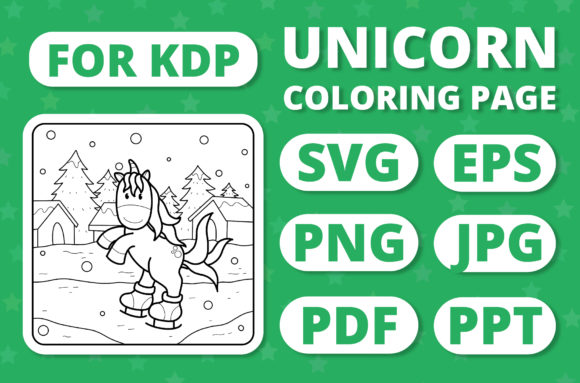
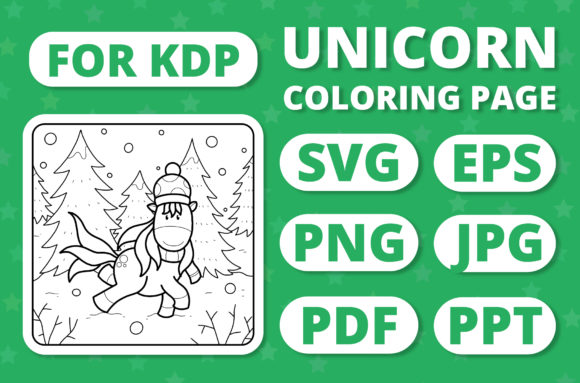
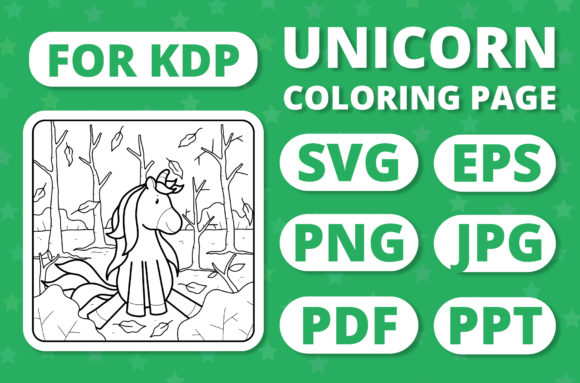
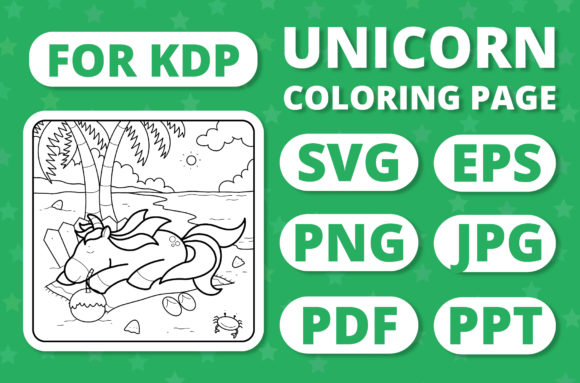
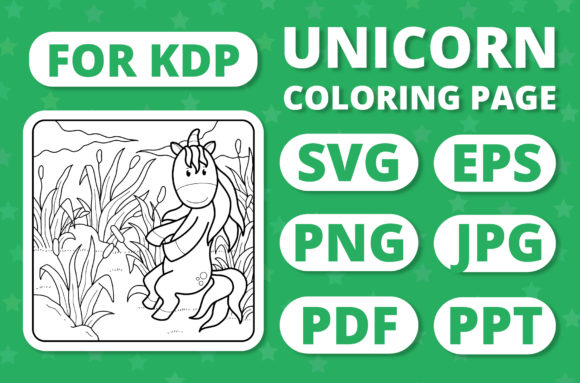
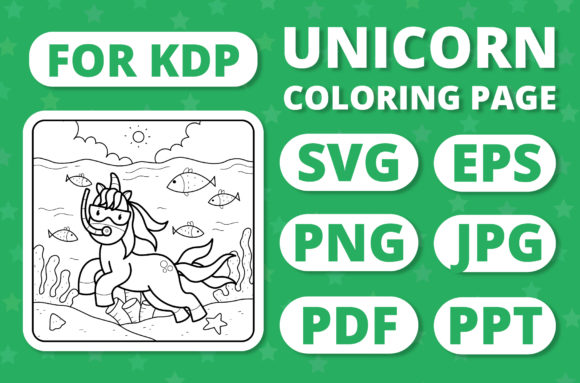
Opening the KDP Unicorns Seasons Coloring Page 15, my immediate thought is “this has a lovely, gentle energy.” The design isn’t overly complex or aggressive; it feels playful and inviting, which is a fantastic starting point for any project meant to delight. The layout is clear, with well-defined spaces for color or, in our case, different stitch types. That clean separation is a practical blessing for an embroidery designer—it suggests where a satin stitch might shine versus where a fill stitch would anchor the piece. The visual personality is sweet and nostalgic, leaning more towards a storybook illustration than a graphic logo. This mood naturally belongs to projects aimed at bringing a smile: children’s items, personalized gifts, or cozy home decor.
The Natural Embroidery Project Fit
In my studio, I’m constantly matching designs to real-world items. For this unicorn seasons design, I pictured it instantly on a lightweight organic cotton tote bag. It’s the kind of bag a crafter might make for a friend’s birthday, or a small shop could offer as a charming, usable accessory. The 8.5 x 8.5 inch size, as noted in the product description, gives us a solid canvas. It’s substantial enough to be a focal point on a pillow cover or a tea towel, but not so huge it would overwhelm a baby’s sweater or a cap. The seasonal theme opens doors: think a spring-themed unicorn on an Easter basket liner, or the winter version on a holiday kitchen towel as a unique gift.
Performance in Real-Life Embroidery Situations
Let’s walk through a real scenario. A client requests a custom embroidered sweatshirt for her niece, something special but not too flashy. I pull up the KDP Unicorns Seasons Coloring Page 15, considering it as the embroidery file source. The included formats—SVG, EPS, and the bonus AI file—are crucial here. For my machine embroidery software, a clean vector file like SVG allows for precise path conversion, helping me control stitch density and outline clarity. I’d likely use the unicorn as an applique design centerpiece, with the seasonal accents done in detailed running stitches for texture.
On a dark fabric, like a navy sweatshirt, I’d need to think about thread color contrast. The design’s lines are distinct, but translating that to stitches means choosing bright, contrasting threads to keep the whimsy alive. On a light baby blanket or nursery decor item, it would sing with softer pastels. For a small business merchandise line—say, an Etsy seller specializing in embroidered patches—this design could be scaled down to a 3-inch patch. The clean details suggest it would hold up, but I’d need to test those smaller elements, like the tiny floral accents, on scrap fabric first to ensure stitching clarity.
Where This Design Calls for Careful Planning
No design is universally perfect, and a practical review means noting the considerations. The KDP Unicorns Seasons Coloring Page 15 has areas of potential density, like the unicorn’s mane or detailed corner elements. On stretchy fabric like a t-shirt or a thin, textured linen, high stitch density in those areas could lead to puckering without the right stabilizer. I’d advise a medium-weight cutaway stabilizer for activewear like caps, where the curved surface and frequent movement demand extra security.
Also, embroidering this on a layered garment, like a hoodie with a front pocket, requires planning the placement so the design isn’t interrupted. The design’s open, coloring-page style is beautiful, but on products that need frequent washing—like aprons or kitchen towels—I’d recommend a tighter fill stitch in the larger areas to prevent premature wear. Always, always test on a scrap of the actual project fabric first.
Impact on Product Value and Customer Appeal
How does using this design affect the final product’s appeal? From a commercial embroidery perspective, it adds a recognizable, friendly touch. A handmade product featuring this unicorn feels personal and crafted, not mass-produced. That boosts giftability and buyer engagement in a craft fair or online listing. For a boutique branding a line of children’s items, consistency in using such a gentle, thematic design across a capsule collection—a blanket, a pillow, a tote—builds a cohesive, professional look that customers trust.
The design’s clarity after stitching directly influences customer perception. A crisp, well-embroidered version where the seasons elements are distinct enhances the perceived value. It looks intentional and skilled. In printable mockups for digital product sellers offering the design as an asset, or in digital embroidery file previews, that clean base graphic provides a strong, honest representation of what a crafter can achieve.
Practical Notes for the Working Designer
Before hooping up your final project fabric, here’s my checklist. First, confirm your hoop size can accommodate the full design at your intended scale—remember the 8.5 x 8.5 inch source size. Test the design in a black and white mockup to judge contrast purely on form. Compare how it looks on both light and dark fabric backgrounds in your software preview. Review stitch density in your converted file; adjust if areas look too dense for your chosen fabric texture.
Check thread color contrast—sometimes a design that looks light on screen needs bold threads on dark material. Most importantly, confirm the licensing terms for this graphic. The product description states it’s for creating KDP activity books, but as an embroidery designer using it for physical products like custom apparel or embroidered patches, you must verify the license covers commercial use of the finished product. Do not assume. If such details are not provided in the product listing, you must seek clarification before selling any items. This is fundamental for protecting your craft business.
Final Thoughts: A Versatile, Joyful Asset
The KDP Unicorns Seasons Coloring Page 15, from a designer’s bench, is a versatile and joyful asset. It fits naturally into projects where charm and clarity are priorities. Its strength lies in its clean illustration style, which translates well into various stitch techniques and end products. Whether you’re an apparel decorator making a special sweatshirt, a hobbyist creating a personalized gift, or a small shop owner building a line of holiday embroidery, this design offers a solid foundation. Approach it with practical preparation—proper stabilizer, thoughtful thread choices, and licensing confirmation—and it can become a beloved part of many handmade stories.