KDP Unicorns Seasons Coloring Page 13: A Designer's Real-World Review
When a new design lands in my files, my first question isn’t about the specs—it’s about its soul. What kind of real, stitched product will it become? How will it feel on fabric? Who would want to wear it, or give it, or buy it? Let’s walk through that process with KDP Unicorns Seasons Coloring Page 13.
First Impressions: Whimsy with a Purpose
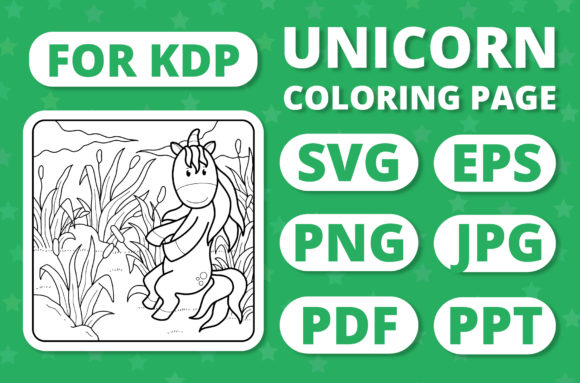
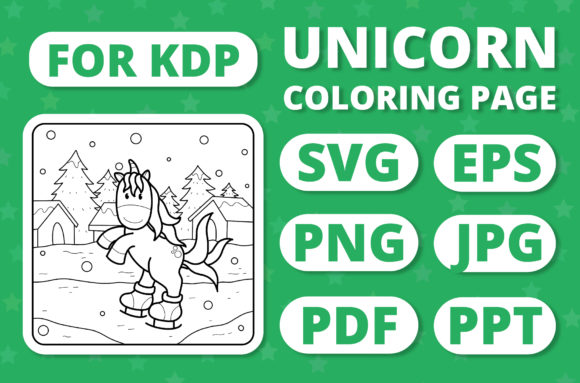
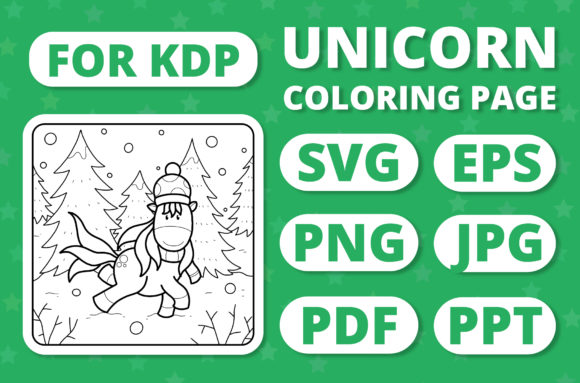
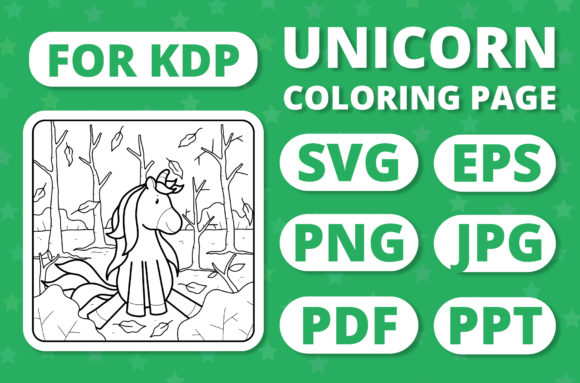
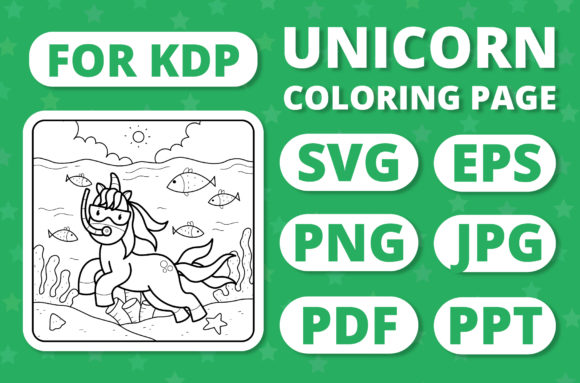
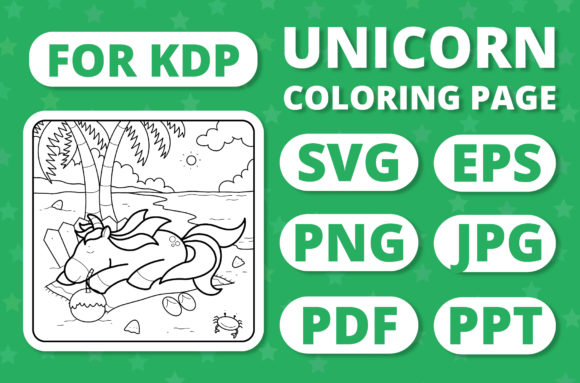
Opening this file, the mood is immediately clear: playful, magical, and neatly structured. It’s not just a unicorn; it’s a themed, seasonal motif that feels like a story waiting to be told. The layout is balanced, the lines are clean, and the detail level is thoughtful—it has personality without being overly cluttered. This tells me it’s a design that belongs on products meant to spark joy. Think a child’s birthday gift, a cozy nursery item, or a lighthearted accent for a kitchen towel in a handmade shop.
Where This Design Shines in Embroidery Projects
In practical terms, this unicorn design has a versatile shape and theme that translates well to several real-life embroidery situations. I imagine it working beautifully on a custom sweatshirt for a young teenager, where the seasonal theme adds a touch of personalized charm. Stitched onto a canvas tote bag, it becomes a statement piece for a craft fair or Etsy listing—unique, but not too niche.
The clean lines suggest it would handle conversion to an embroidery file with good clarity. On baby clothes or blankets, scaled appropriately, it could be a darling, giftable detail. As an embroidered patch, it could be applied to a backpack or apron, offering a durable, decorative accent. For small business merchandise, like pillow covers or simple tea towels, it adds a recognizable, brandable motif that feels handmade and special.
A Specific Scenario: The Boutique Holiday Gift
Picture a small shop preparing for holiday sales. A customer wants a personalized gift—maybe an embroidered pillow cover for a niece who loves unicorns. This design, with its seasonal elements, fits that request perfectly. Stitched in a soft pastel thread palette on a linen cover, the finished product would feel professional, cohesive, and thoughtfully crafted. The design’s inherent whimsy increases the giftability and visual appeal, helping that boutique item stand out in a crowded market.
Careful Considerations for Stitching Success
Like any design, its success depends on how we use it. The detail level, while balanced, means we must be mindful in certain applications. On very small hoop sizes, some of the finer interior lines might need simplification to prevent stitch crowding. On textured fabrics like certain knits, the clarity of the outline could soften, so a good stabilizer choice is key.
I’d be cautious using it on very stretchy fabric without proper stabilization, as the shape could distort. On dark fabric backgrounds, a careful thread color contrast plan is essential—the design’s lightness might get lost if we don’t choose bold, contrasting threads. For curved surfaces like caps, the circular, centered layout is actually quite promising, but testing the file conversion first is non-negotiable.
Products that need frequent washing, like kitchen towels or baby apparel, require a robust stitch density plan to ensure longevity. The design doesn’t appear overly dense, which is good, but checking the stitch density in the final embroidery file is a practical step to maintain that handmade presentation through wear.
How This Design Impacts Your Craft Business
From a business perspective, KDP Unicorns Seasons Coloring Page 13 offers a solid asset. Its visual personality can enhance customer trust—it looks professional and complete. For brand consistency, if your shop leans into magical or children’s themes, this could become a signature element across products. It supports professionalism because it’s a coherent design, not a random clip-art.
For buyer engagement, especially on platforms like Etsy, it provides a strong visual for your listings. You could use the provided PNG or JPG for printable mockups or digital product previews, showcasing the potential embroidered item beautifully. As a commercial embroidery project asset, it holds value because the theme is evergreen and appealing to a clear audience.
Practical Notes from the Embroidery Table
Before you run this design on a client’s item, do the groundwork. Test it on scrap fabric first—preferably a similar material to your final product. Check how the thread colors you’ve selected interact with the design’s lines in both light and dark fabric backgrounds. Review the stitch density and small details after conversion; sometimes tiny corners need a slight adjustment for stitching clarity.
Always confirm your hoop size can accommodate the design comfortably. And crucially, since this comes from a coloring page category intended for KDP, verify the licensing terms before selling finished items or using it in commercial embroidery projects. The inclusion of source files like SVG and AI is a bonus for customization, but understanding your rights to the finished product is fundamental.
Use proper stabilizer for the fabric type. Consider whether the design works best as a simple outline with running stitches or needs fill stitches for impact—that decision affects the final product’s value and look. For apparel decorators, think about placement: this centered design might work well on the front of a sweatshirt or the corner of a tea towel.
The Final Stitch: A Design Ready for Imagination
KDP Unicorns Seasons Coloring Page 13 isn’t just a graphic; it’s a starting point for creative embroidery work. Its strength is in its themed, cheerful composition that naturally fits gift-oriented, personalized, and boutique products. With practical attention to fabric choice, stitching setup, and licensing, it can become a reliable part of your embroidery project library, helping you create items that feel both magical and meticulously made.