Unicorn Seasons Coloring Page: A Designer's Embroidery Review
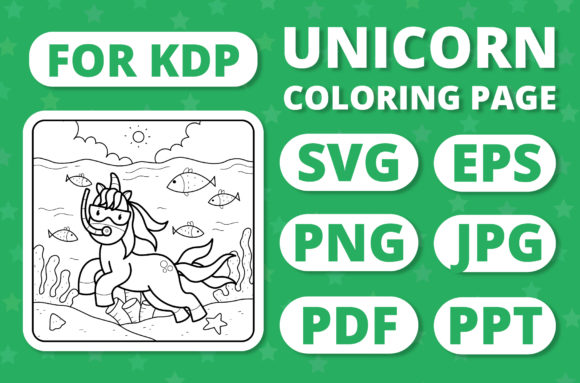
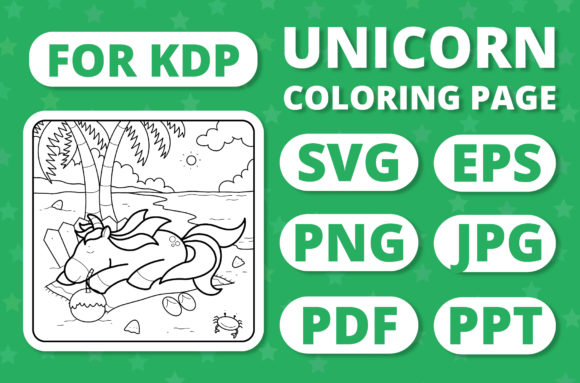
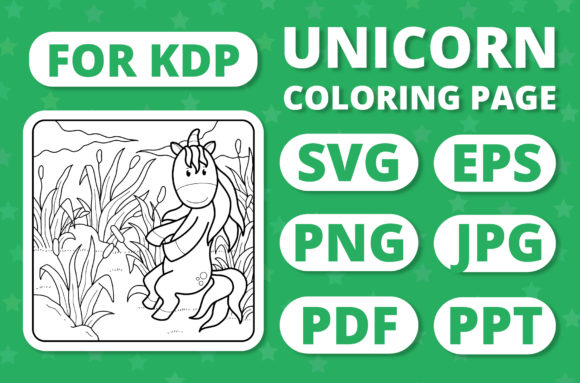
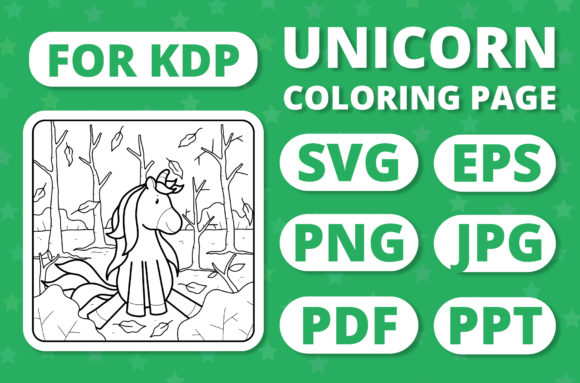
When a new embroidery design lands on my desk, I immediately start thinking about how it will stitch out in real life. Not just on a screen, but on fabric. For the KDP Unicorns Seasons Coloring Page 22, my first thought was how delightfully simple and open its lines are. It’s not a dense, intimidating graphic. This unicorn-themed page has a friendly, storybook quality. The layout is clear, with a central character and seasonal motifs that feel balanced, not overcrowded. The detail level is intentional—it’s designed to be filled in, which tells me as an embroidery designer that the lines are meant to be guides, not strict boundaries. This visual personality is perfect for projects that need a touch of whimsy without being overly complex.
Where This Design Finds Its True Home
I picture this design on a custom embroidered tote bag for a young child. The scenario: a boutique client wants a personalized gift for a niece’s birthday. They want something cheerful, unique, and durable. The KDP Unicorns Seasons Coloring Page 22 immediately fits that brief. The 8.5 x 8.5 inch size gives me a solid canvas to work with. I can scale it down for a cute corner detail on a baby blanket or scale it up to become the star feature on a pillow cover for a nursery. On a sweatshirt, it would make a fantastic central chest design, its open lines allowing for a variety of fill stitch techniques to add texture without overwhelming the fabric.
For small business merchandise, like items for an Etsy shop or craft fair products, this design is a versatile asset. It translates beautifully into an embroidered patch. The clear outlines would hold up well with satin stitch borders, making it a perfect standalone item to sell or apply to backpacks. For kitchen towels or aprons, a smaller version of the unicorn would add a charming, handmade touch. Its seasonal elements hint at holiday embroidery potential—think a spring-themed unicorn on an Easter gift bag or the winter motifs on a Christmas ornament.
Practical Considerations for Stitching Success
While the design is forgiving, its successful application depends on thoughtful execution. On small hoop sizes, you’ll need to be cautious. Scaling it down too much might compress those open areas, making fine details like the tiny floral accents or seasonal symbols tricky. They could become blobs if the stitch density is too high. Always test the design on scrap fabric first, preferably the same material you intend to use for the final product.
Textured or stretchy fabrics, like some sweatshirt knits, demand a good stabilizer. The design’s outline integrity is key; without proper support, the lines could distort. For dark fabric backgrounds, you’ll need to think about thread color contrast. The open nature of the design means that every stitch line will be visible, so choosing a palette that pops against navy or black is essential. On curved surfaces like caps, the circular layout of the seasonal motifs might require some adjustment in placement to look balanced around the curve.
The provided file formats, especially the SVG and the bonus AI file, are a huge advantage for a digital embroidery file. This means I can easily tweak elements, separate layers for different stitch types, or integrate parts of the design into other compositions for commercial embroidery projects. However, a crucial note: before selling any finished product, always confirm the licensing terms included with the purchase. The product category is Graphics, which often implies use in created items, but due diligence is part of professional practice.
How This Design Elevates Your Finished Product
From a customer’s perspective, an item embroidered with this design feels thoughtfully crafted. It doesn’t look generic or machine-made in a cold sense. The handmade presentation is enhanced because the design invites variation. You could use a rainbow of thread colors in the unicorn’s mane, or keep it monochrome for a sophisticated twist. This flexibility builds customer trust—they see a product that appears unique to them. For giftability, it scores high. A personalized baby bib with this unicorn isn’t just a bib; it’s a keepsake.
For your brand consistency as a maker, if whimsy and charm are your themes, this design slots in neatly. It creates strong visual appeal without being garish. The stitching clarity will be excellent because the lines are well-defined, leading to a clean final product that looks professional. This professionalism directly affects buyer engagement in your online shop or at a market. A clean, well-executed embroidery on a tote bag is more likely to stop someone and prompt a question.
A Final Checklist Before You Hoop the Fabric
My practical embroidery designer notes for using this design are straightforward. First, use the source files to your advantage. Open the AI or SVG file and examine the layers. Plan your thread colors. I’d even suggest printing the PDF and coloring it with markers to visualize your palette. Second, consider the fabric texture. A smooth cotton tote bag will give a crisp result, while a fluffy blanket might soften the details—choose accordingly.
Third, test it in black and white mockups. How does it look as a simple outline stitch? This can be a beautiful, minimalist option. Fourth, always compare how it looks on light and dark fabric backgrounds in your design software before committing thread. Finally, remember that this is a coloring page. Its strength is in its openness. Don’t feel compelled to fill every millimeter with stitch. Sometimes, strategic use of fill stitch in key areas, leaving others more open, creates a delightful handmade texture that customers love. The KDP Unicorns Seasons Coloring Page 22 is a tool, and its best results come from your creative interpretation on the needle.