Evaluating KDP Unicorns Seasons Coloring Page 2 for Embroidery
As someone who spends a good portion of their week reviewing embroidery-ready designs for client projects and my own shop, I approach every new file with a practical eye. My first question is always: how will this actually look after stitching? When I opened the KDP Unicorns Seasons Coloring Page 2, my immediate thought wasn't about coloring books—it was about a charming, four-season unicorn motif perfect for a custom tote bag for a child’s birthday gift. That’s the lens I’ll use here: a professional designer judging this graphics file for real embroidery work.
The First Glance: A Whimsical Layout Built for Adaptation
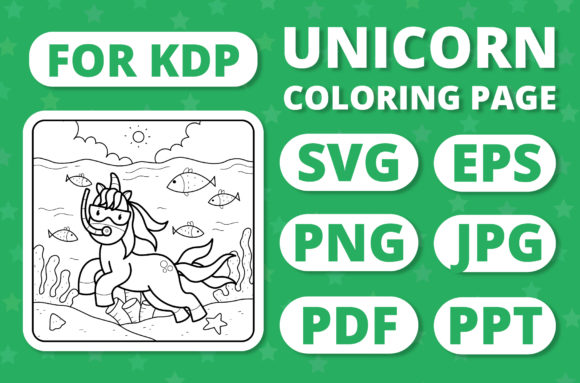
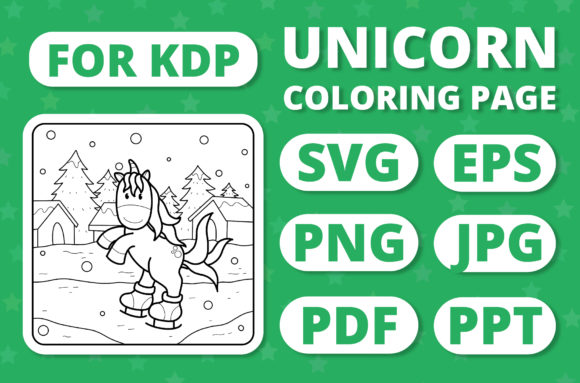
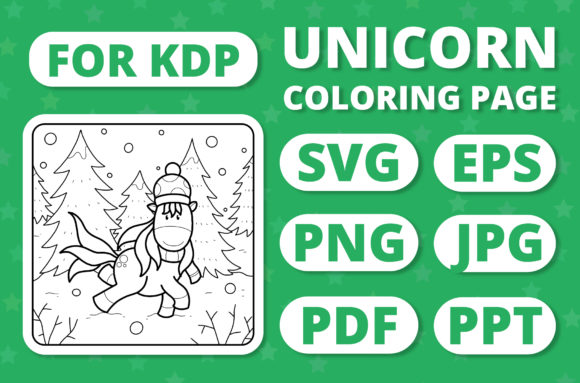
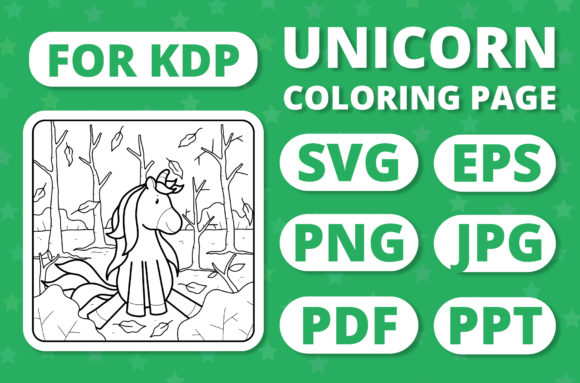
Right away, the mood is playful and nostalgic. The circular arrangement of the four seasonal unicorns creates a balanced, compact focal point. This isn’t a sprawling, intricate scene; it’s a contained, friendly design with a clear visual personality. The level of detail in the line art is encouraging—it’s defined enough to translate into clean stitch paths without being overly dense, which is a crucial consideration for embroidery. The theme itself is universally appealing, whispering of magic, childhood, and the changing year. It naturally belongs to projects meant to evoke warmth and personal connection.
Where This Design Shines in Real Projects
I picture this design excelling on a medium-scale, stable surface. A cotton canvas tote bag immediately comes to mind—the shape fits perfectly on the front panel. It would also be lovely on a pillow cover for a nursery, a tea towel as a kitchen gift, or the center of a child’s sweatshirt. The circular layout lends itself beautifully to embroidered patches, which could then be applied to caps, backpacks, or aprons. For small business merchandise, like a boutique’s limited-run holiday blanket, this design adds a handmade, storybook charm that elevates the product’s perceived value.
Because the file package includes versatile formats like SVG and EPS, adapting it for your machine embroidery design software is straightforward. The 8.5 x 8.5 inch size gives you a generous starting point to scale down for smaller items, like a baby romper’s front, or scale up slightly for a larger pillow. The inclusion of an AI source file is a significant bonus for designers who want to tweak elements, perhaps isolating one unicorn for a simpler project, ensuring brand consistency across a product line.
Practical Considerations and Potential Pitfalls
While the design’s personality is strong, its application requires some thoughtful planning. The central circular motif, with its four distinct scenes, means you’ll need to consider stitch density. On thinner or stretchy fabrics like a t-shirt, a very dense fill stitch in all those seasonal elements could lead to puckering. It’s better suited to stable, medium-weight fabrics: canvas, linen, denim, or quilt-weight cotton.
I would be cautious about using this on very small hoop sizes. The charming details in each unicorn scene—the snowflakes, the flowers—could lose their clarity if reduced too much. Similarly, embroidering this on a curved surface like a cap requires careful digitizing to maintain the circle’s integrity. For dark fabric backgrounds, thread color choice becomes paramount; you’ll need high-contrast, bright colors to keep the whimsical mood alive. Always test on scrap fabric first.
How This Design Impacts Your Product’s Appeal
From a customer’s perspective, an item embroidered with this design feels intentional and giftable. It’s not a generic logo; it’s a story. That builds customer trust and engagement, as it suggests care and creativity. For an Etsy seller or crafter making personalized gifts, this offers a recognizable, joyful theme that can be marketed for holidays, birthdays, or just everyday magic. The professional, clean line art translates into stitching clarity in the final product, which directly boosts the handmade presentation and perceived quality.
Notes from the Worktable: Before You Hoop the Fabric
My process with any new design like KDP Unicorns Seasons Coloring Page 2 involves a few key steps. First, I always check the licensing terms for the file—this is essential whether you’re making a single personalized gift or running a commercial embroidery operation selling finished items. The description notes its use for KDP activity books, so confirm its applicability for physical stitched products.
Once cleared, I import the SVG or EPS file into my embroidery software. I examine the small details: are the lines for the unicorn horns continuous and thick enough to become a satin stitch? I then create a simple black and white stitch-out simulation to see potential problem areas. I compare how it looks conceptually on both a light and a dark background mockup. For this design, using a proper stabilizer is non-negotiable to keep that circular shape crisp, especially on apparel.
- Test the design on scrap fabric that matches your final project material.
- Review thread color contrast—play with palettes that reflect each season.
- Confirm your intended hoop size can accommodate the design without compressing detail.
- Inspect the file for any tiny lettering or intricate corners that might need simplification.
- Consider whether the design’s density is appropriate for the fabric texture.
The Final Stitch: A Versatile Asset for Creative Makers
Evaluating KDP Unicorns Seasons Coloring Page 2 as an embroidery designer, I see a graphics file with strong practical potential. It’s not just a digital product; it’s a blueprint for charming, marketable finished goods. Its true value lies in its adaptability and the emotional resonance of its theme. For the crafter making a special baby gift, the small shop owner adding a new embroidered apron to their line, or the apparel decorator looking for a fresh, seasonal motif, this design provides a solid foundation. Approach it with a mindful setup—respect the fabric, plan the stitches, and let that unicorn magic translate thread by thread into a product that feels both professional and wonderfully personal.